
Early Intervention Programs
Our Early Intervention Programs bring together developmental support, therapy, learning activities, communication practice, and family involvement to help young children build important skills from an early stage.
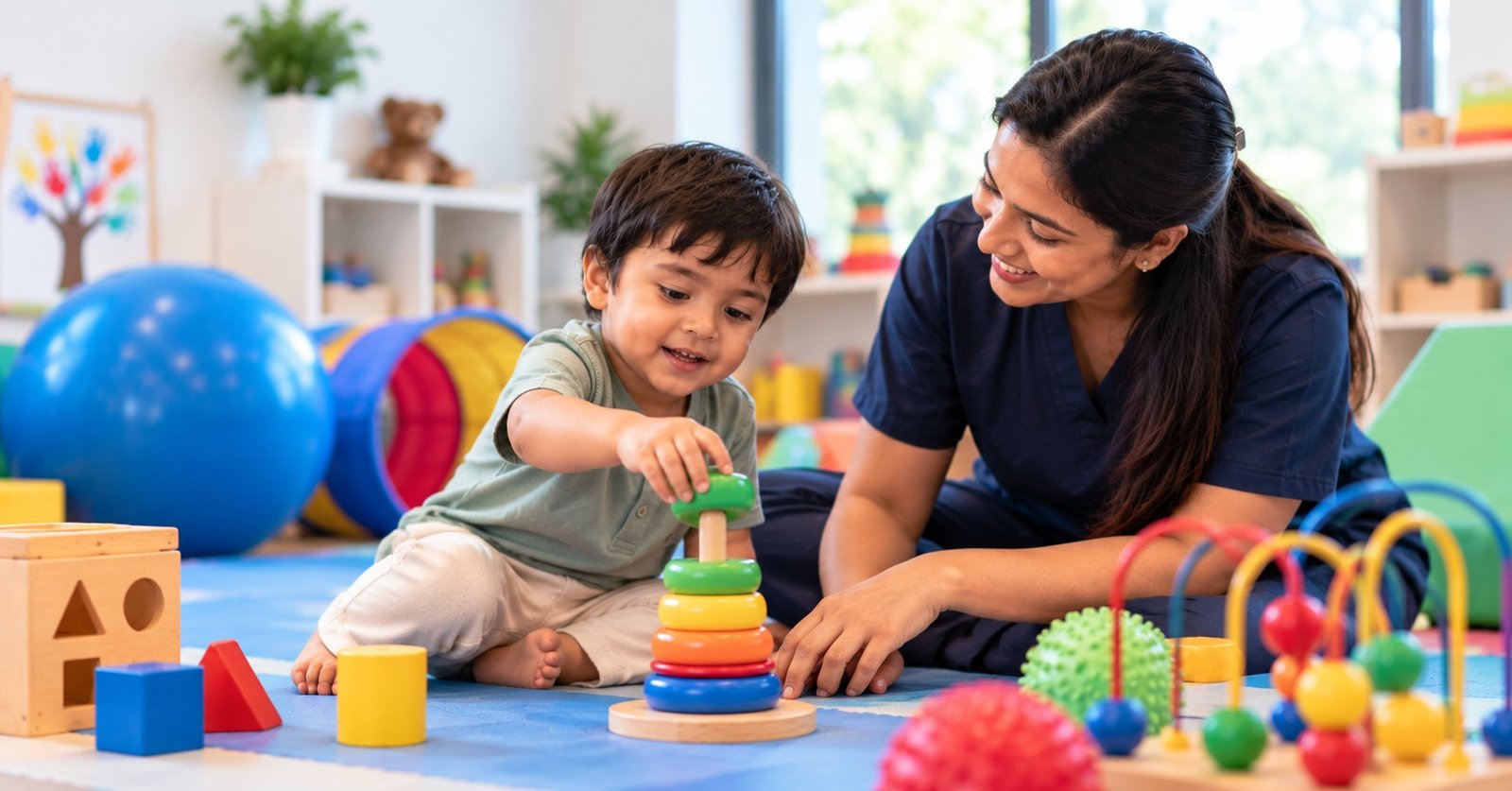
Giving children timely developmental support through personalized therapy, learning, communication, and family guidance.
Book a Service Enquiry
Tell us a little about the child and we'll guide you.
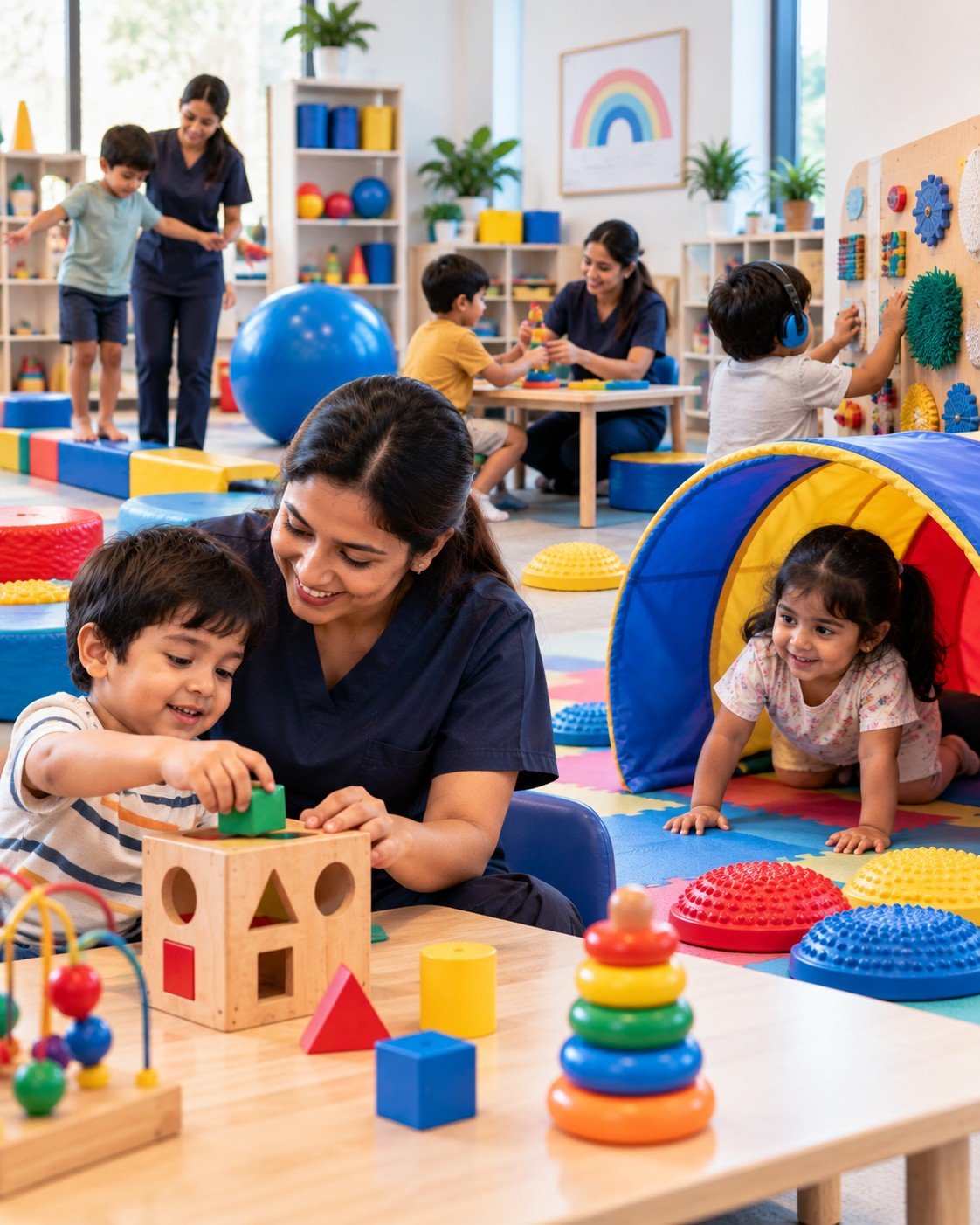
Early & Personalized Support
Developmental goals are planned around the child's age, abilities, strengths, interests, and family priorities.
Small Steps Can Create Meaningful Progress
Early support helps families understand their child's needs and build practical developmental skills.
The early years are an important period for communication, learning, movement, social development, and independence. When developmental concerns are identified, timely support can help families take informed and practical next steps.
Our early intervention approach combines age-appropriate activities with individualized developmental goals. Children learn through play, interaction, structured routines, communication, and meaningful everyday experiences.
Parents are actively involved so that important skills can be practiced consistently across home, therapy, and other environments.
Quick Facts
Important information about Early Intervention.
Early intervention plans are individualized and may involve multiple developmental areas depending on the child's needs.
Whole-Child Development
Focus
Play-Based
Approach
Active Partnership
Family Role
Individualized
Goals
Program Highlights
Key developmental areas supported during early intervention.
Early intervention activities are designed to make learning meaningful, engaging, and relevant to everyday life.
Communication
Early Learning
Social Skills
Motor Development
Emotional Development
Daily Independence
Key Benefits
How early developmental support can help children and families.
Early support can help families understand developmental needs, encourage skill development, and create consistent opportunities for learning and participation.
Supports Early Communication
Builds Learning Readiness
Encourages Social Interaction
Supports Motor Development
Builds Attention
Encourages Independence
Strengthens Family Participation
Supports Developmental Growth
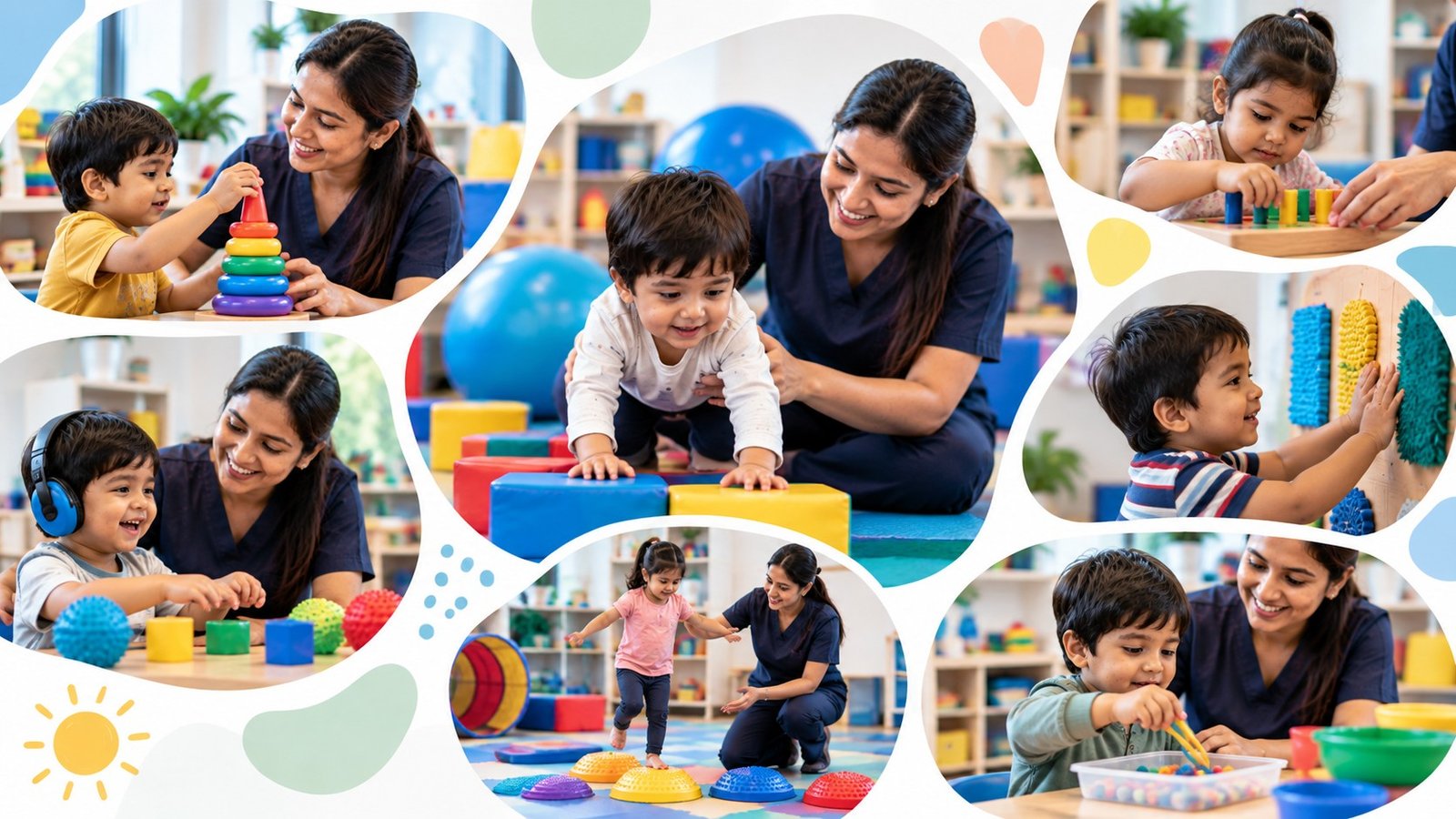
Our Focus Areas
Foundational skills that support early development.
The program can be adapted according to the child's developmental stage and may include communication, play, movement, social interaction, learning, behavior, and daily living skills.
Our Early Intervention Process
A collaborative approach that grows with the child.
The process begins with understanding the child's developmental profile and continues through individualized planning, engaging activities, family guidance, and regular progress review.
Developmental Understanding
Understanding the child's current developmental strengths, abilities, challenges, and family priorities.
Individual Plan
Creating practical developmental goals that match the child's age, abilities, and everyday needs.
Learning Through Play
Using engaging activities to support communication, learning, movement, interaction, and independence.
Family Partnership
Guiding parents with simple strategies that can be included naturally in everyday routines.
Early Learning Activities
Playful experiences that support foundational developmental skills.
Children are encouraged to explore, interact, imitate, communicate, and learn through activities that are appropriate for their developmental level.
Puzzles & Matching
Shape & Sorting
Story & Picture Books
Songs & Rhymes
Interactive Games
Motor Activities
Social Play
Daily Routine Practice
Who Can Benefit?
Young children who may benefit from additional developmental support.
Early intervention may be helpful when parents or professionals notice differences or delays in communication, learning, movement, play, social interaction, behavior, or everyday skills.
Expected Outcomes
Areas where early developmental support may help children progress.
Every child develops at a different pace. Outcomes depend on individual needs, participation, consistency, and the goals established for the child.
Frequently Asked Questions
Common questions parents ask about early intervention.
Our team can help you understand your child's developmental needs and discuss suitable support during a consultation.
" alt="Early Intervention Programs" class="w-full rounded-[32px] object-cover shadow-xl">
Early Intervention provides developmental support to young children who may have developmental differences, delays, or additional support needs.
Early support gives children and families opportunities to understand developmental needs and practice important skills during the early years.
Support may include communication, language, learning, play, social interaction, motor skills, behavior, sensory needs, and everyday independence.
Yes. Family participation is an important part of early intervention because many developmental skills can be practiced naturally during everyday routines.
The schedule depends on the child's needs, assessment, goals, family availability, and overall support plan.
Early intervention can provide structured developmental and family support for children with autism, with goals tailored to each child's individual needs.
Give Your Child a Strong Start
Early support can begin with understanding your child's individual needs.
Talk to our team about your child's development, communication, learning, behavior, or everyday skills and explore the support that may be appropriate.
Book a Session
Share a few details and our team will get in touch with you.